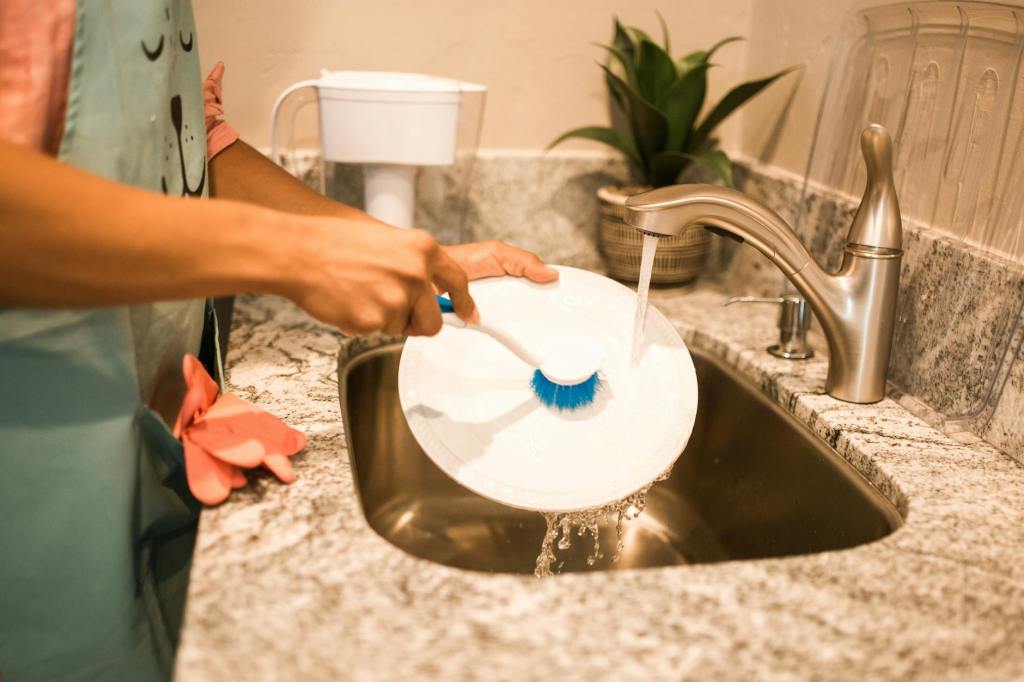
Tap water can appear clear yet still contain dissolved minerals, disinfectants like chlorine, fine sediment, and microscopic contaminants. Home water filtration systems improve water quality by forcing water through engineered media that remove unwanted substances through physical separation and chemical interaction. This controlled process improves safety, taste, and consistency at the point of use or throughout the entire home.
In this guide, you’ll learn:
- What contaminants filtration systems remove
- The science behind mechanical, chemical, and membrane filtration
- How different system types treat water
- What occurs during each filtration stage
- Why maintenance directly determines performance
- How whole-house systems differ from point-of-use filters
Home Water Filtration Explained Like You’re 5
Think of a filter as a very tiny strainer for water.
Water gets pushed through a special material.
That material catches things you don’t want.
Clean water passes through.
Some filters stop dirt you can see.
Some grab chemicals you cannot see.
Some block particles smaller than salt.
That’s the simple explanation of how water filtration works at home:
push water through a barrier that only lets clean water continue.
What Makes Water Filtration Work?
Every system — from a simple faucet filter to a whole-house installation — relies on three coordinated elements: pressure, filtration media, and controlled flow.
1. Water Entry and Pressure Source
Water enters from the home’s plumbing supply. Existing household pressure drives filtration without pumps in most systems.
Key principle:
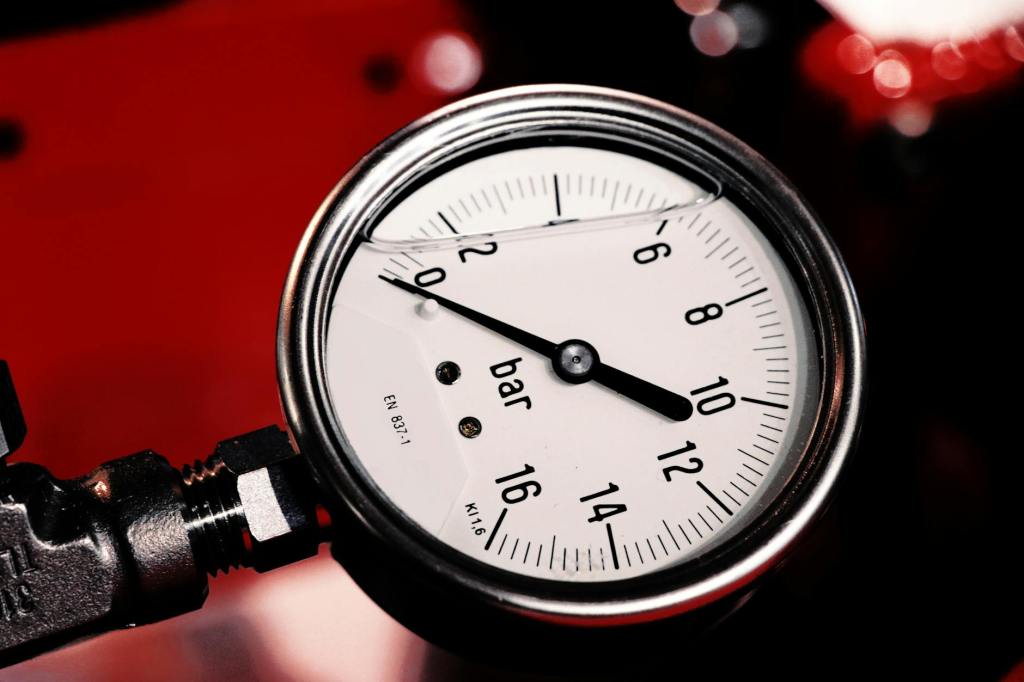
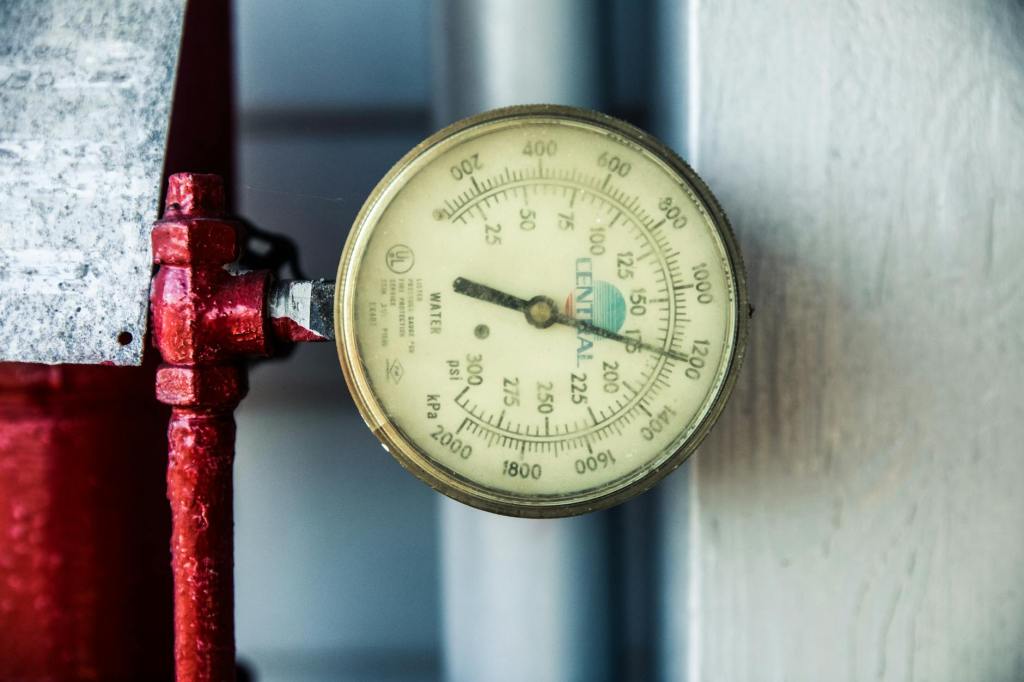
Filtration requires pressure to overcome resistance inside the filter media.
Low pressure reduces effectiveness.
Stable pressure ensures consistent treatment.
2. Filtration Media (The Treatment Core)
Filtration media determines what contaminants are removed and how effectively removal occurs.
Primary media types and functions:
- Sediment filters
Trap suspended particles such as rust, sand, and debris.
Function: physical size exclusion. - Activated carbon
Removes chlorine, odors, and organic compounds.
Function: chemical adsorption onto a high-surface-area material. - Reverse osmosis membranes
Remove dissolved solids and microscopic contaminants.
Function: molecular-scale separation. - Specialty media
Target specific contaminants such as iron, sulfur, or heavy metals.
Each stage prepares water for the next, increasing total treatment effectiveness.
3. Housing and Controlled Flow Path
Filtration media is enclosed within sealed cartridges designed to control:
- Flow direction
- Contact time
- Pressure exposure
- Leak prevention
Water cannot bypass treatment because the housing forces all flow through the filter media. This engineered flow path is essential for predictable performance.
The Science Behind Contaminant Removal
Home filtration relies on three complementary mechanisms. Understanding them clarifies why systems use multiple stages.
Mechanical Filtration — Size-Based Separation
Mechanical filters remove particles by pore size exclusion.
Water flows through a porous structure.
Particles larger than pore openings cannot pass.
Performance depends on:
- Pore diameter
- Flow rate
- Particle size distribution
Typical removal targets:
- Sediment
- Rust particles
- Suspended debris
- Microplastics (in fine filters)
Smaller pores provide finer filtration but increase resistance to flow.
Chemical Adsorption — Molecular Attraction
Activated carbon operates through adsorption, not absorption.
Carbon contains millions of microscopic pores, creating a massive internal surface area. Chemical compounds attach to this surface through intermolecular forces.
This mechanism explains why water filtration removes chlorine. Chlorine molecules bind to carbon surfaces and remain trapped as water flows through.
Effective against:
- Chlorine and chloramine
- Volatile organic compounds
- Odors and taste-causing chemicals
- Certain pesticides
Adsorption capacity is finite. Once surfaces are saturated, performance declines.
Membrane Separation — Reverse Osmosis
Reverse osmosis is a pressure-driven separation process using a semi-permeable membrane.
Water molecules pass through the membrane.
Dissolved ions and larger molecules are rejected.
This process removes contaminants too small for conventional filtration.
Commonly removed:
- Dissolved salts
- Heavy metals
- Nitrates
- Many microorganisms
- Trace contaminants
Rejected impurities are flushed away in a concentrated waste stream.
Pressure and Flow Dynamics
Filtration efficiency depends on the relationship between pressure and contact time.
Higher pressure pushes water through dense media.
Slower flow increases contaminant removal.
Engineering balance is required:
- Excessive flow reduces effectiveness
- Insufficient pressure restricts output
Well-designed systems optimize both.
How a Home Water Filtration System Works Step by Step
Most systems follow a structured treatment sequence designed to protect media and maximize removal efficiency.
Step 1 — Water Enters the System
Household pressure pushes incoming water into the filter housing. Flow begins automatically when a tap is opened or the system is in use.
Step 2 — Pre-Filtration Removes Large Particles
A sediment stage removes suspended solids such as:
- Rust from pipes
- Sand and grit
- Debris from supply lines
This stage prevents clogging and extends the life of downstream filters.
Step 3 — Chemical Filtration Removes Dissolved Contaminants
Activated carbon media adsorbs chlorine and organic compounds. This stage significantly improves taste and odor while protecting advanced filtration stages from chemical damage.
Step 4 — Advanced Filtration (If Installed)
In reverse osmosis systems:
- Pressure forces water through a semi-permeable membrane
- Dissolved solids are separated and discharged
This stage produces high-purity water suitable for drinking.
Step 5 — Clean Water Exits the System
Treated water flows to:
- Drinking taps
- Storage tanks
- Appliances
- Entire plumbing systems (whole-house filtration)
This sequence explains how home water filtration systems work step by step in real operation.
Water Filtration in Everyday Home Use
Engineering principles translate directly into measurable household benefits.
Whole-House Filtration
Installed at the main supply line, this system treats water before distribution.
Practical impact:
- Reduced scale buildup in pipes
- Longer appliance lifespan
- Improved bathing and cleaning quality
- Consistent water treatment throughout the home
This approach prioritizes system-wide protection rather than targeted purification.
Under-Sink Drinking Water Filter
Point-of-use filtration treats water at a single tap.
Typical configuration:
- Sediment pre-filter
- Carbon stage
- Optional membrane stage
Primary advantage: high-quality drinking water without treating all household water.
Reverse Osmosis Drinking System
Multi-stage purification designed for maximum contaminant removal.
Real-world performance example:
Municipal water with dissolved solids at 300 ppm may be reduced to below 50 ppm after reverse osmosis treatment. This significantly improves taste and reduces mineral content.
When Filtration Systems Reach Their Limits
All filtration systems are capacity-limited devices. Performance declines predictably without maintenance.
Filter Saturation
As contaminants accumulate, available adsorption sites and pore space decrease.
Consequences:
- Reduced contaminant removal
- Increased pressure drop
- Breakthrough of previously captured substances
Reduced Water Pressure
Clogged filters restrict flow.
Observable symptoms:
- Slower faucet output
- Pressure fluctuations
- Extended appliance fill times
This is a hydraulic limitation, not a plumbing failure.
Maintenance Dependency
A critical operational reality is often overlooked:
Filtration performance is directly tied to replacement intervals.
What happens if a water filter is not replaced?
- Removal efficiency declines
- Contaminants may pass through untreated
- Flow resistance increases
- Biological growth may occur in saturated media
Routine maintenance is not optional — it is integral to system function.
Water Filtration Myths vs Reality
Myth: All filters remove every contaminant
Reality: Filtration effectiveness depends on media type and system design.
Myth: Clear water means clean water
Reality: Many dissolved contaminants are invisible.
Myth: Filtration softens water
Reality: Softening removes hardness minerals through ion exchange, a different process.
Myth: Filters function indefinitely
Reality: Media capacity is finite and measurable.
Myth: Faster flow improves filtration
Reality: Reduced contact time lowers removal efficiency.
Understanding these distinctions prevents incorrect system selection.
FAQ (Featured Snippet Optimized)
How do home water filtration systems work?
Home water filtration systems clean water by forcing it through specialized media that remove contaminants through physical trapping, chemical adsorption, or membrane separation. Water pressure drives the process, and treated water exits after passing through one or more filtration stages.
How does reverse osmosis purify water at home?
Reverse osmosis purifies water by applying pressure to push water through a semi-permeable membrane. The membrane allows water molecules to pass while rejecting dissolved solids, heavy metals, and microscopic contaminants, producing highly purified drinking water.
What contaminants do home water filters remove?
Home water filters commonly remove sediment, chlorine, rust, organic compounds, odors, and certain heavy metals. Advanced systems such as reverse osmosis also remove dissolved salts and microscopic contaminants. Removal capability depends on filter design and media type.
Why does water filtration remove chlorine?
Activated carbon removes chlorine through adsorption. Chlorine molecules attach to the carbon’s highly porous surface as water passes through, effectively removing disinfectant taste and odor while improving water quality.
What happens if a water filter is not replaced?
If a water filter is not replaced, it becomes saturated and less effective. Contaminants may pass through untreated, water pressure may decrease, and water quality can deteriorate. Old filters may also support microbial growth, making timely replacement essential.
Key Takeaways
Home water filtration systems operate through controlled physical and chemical treatment processes designed to remove specific contaminants.
Core operational principles:
- Water is treated by passing through engineered filtration media
- Multiple stages improve removal efficiency
- Pressure drives filtration performance
- Flow rate influences effectiveness
- Maintenance determines long-term reliability
In practical terms, how do home water filtration systems work step by step?
Water enters → contaminants are removed → treated water exits.
That is the complete operational cycle.
Continue Learning About Home Systems
Understanding water filtration builds a foundation for managing other critical home systems.
To expand your knowledge:
→ Learn how household water pressure systems function
→ Read: How Home Plumbing Systems Work Step by Step
→ Explore: Tank vs Tankless Water Heaters Explained
The more you understand the engineering behind your home’s systems, the easier it becomes to maintain performance, prevent failures, and make informed upgrade decisions.


 Simply How
Leave a reply to How to Diagnose Low Water Pressure in House Step by Step – Simply How Cancel reply