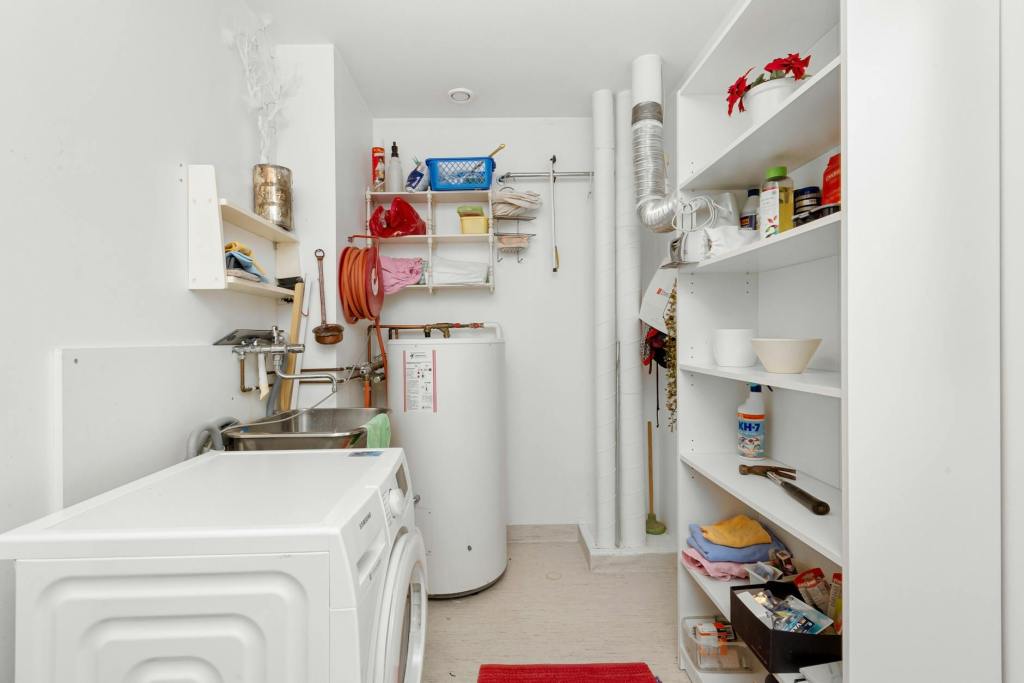
How Tank vs Tankless Water Heaters Work
Hot water in a home is produced in one of two ways: it is either stored at temperature in an insulated tank or heated instantly as it flows through a heating unit. That single design distinction determines capacity limits, energy behavior, installation requirements, and long-term operating cost. Understanding the difference between tank and tankless water heater operation allows homeowners to predict performance, troubleshoot problems, and choose systems based on real usage patterns rather than marketing claims.
In this guide, you’ll learn:
- How each system transfers heat to water
- The components that control temperature and output
- Why stored systems run out of hot water
- How on-demand systems respond to flow demand
- Which design performs best under different household conditions
- How a tankless water heater works compared to a tank system in everyday use
We’ll start with a simple conceptual model, then move into system mechanics.
Tank vs Tankless Water Heaters Explained Like You’re 5
There are two ways to make hot water available instantly.
Tank heater → like a thermos
Water is heated in advance and stored until needed.
Tankless heater → like an instant coffee machine
Water is heated only when it flows through the device.
That’s the simplest explanation of tank vs tankless water heaters:
- Tank systems store thermal energy in heated water
- Tankless systems generate heat in real time
- Storage provides immediate availability but limited supply
- On-demand heating provides continuous output but limited capacity
Both systems deliver hot water. They simply solve the timing problem differently: store heat early or generate heat instantly.
What Makes Tank and Tankless Water Heaters Work?
Both systems are heat transfer devices, but their engineering priorities differ — storage stability versus rapid energy delivery.
Tank Water Heater Components
A tank heater functions as a controlled thermal reservoir.
Core components and roles:
- Storage tank — insulated pressure vessel that holds heated water
- Heating element or gas burner — supplies thermal energy
- Thermostat — maintains target temperature range
- Dip tube — introduces cold water at the tank bottom to preserve stratification
- Anode rod — sacrificial metal that prevents corrosion of the tank walls
- Hot water outlet — draws heated water from the upper tank layer
This system stores usable thermal energy continuously so hot water is immediately available when a fixture opens.
Tankless Water Heater Components
Tankless systems are high-intensity heat exchangers optimized for rapid transfer.
Primary components:
- Heat exchanger — large surface area for fast heat transfer
- Flow sensor — detects water demand and initiates heating
- Heating element or gas burner — high-output energy source
- Control system — modulates temperature and output
- Exhaust and venting (gas models) — removes combustion byproducts
The key difference between tank and tankless water heater operation is timing: stored heat versus instantaneous heat generation.
How Each System Heats Water
The performance gap between the two systems becomes clear when examining heat transfer behavior.
Tank Water Heater Mechanics
A tank heater maintains water temperature within a controlled range.
Operational sequence:
- Cold water enters at the bottom of the tank.
- Heating elements raise water temperature to the thermostat setting.
- Hot water naturally rises due to lower density.
- Insulation slows heat loss to surrounding air.
Two physical effects shape performance:
Standby heat loss
Stored hot water gradually transfers heat through tank walls and piping, requiring periodic reheating.
Thermal stratification
Hot water accumulates at the top while cooler water remains below, improving delivery consistency until the tank is depleted.
Tank systems prioritize readiness over efficiency.
Tankless Water Heater Mechanics
Tankless heaters produce hot water only during flow.
Heating process:
- Flow detection triggers the heating system.
- A high-output heat source rapidly raises exchanger temperature.
- Water absorbs heat as it moves through the exchanger.
- Output temperature is regulated by controlling energy input and flow rate.
Because heating occurs during movement, performance depends on contact time between water and heated surfaces. Faster flow reduces heating effectiveness.
This design eliminates standby loss but requires high instantaneous energy input.
Energy Use and Efficiency Differences
Efficiency differences arise from how energy is stored or applied.
Tank heaters
- Consume energy maintaining stored temperature
- Experience continuous standby losses
- Require moderate power over long periods
Tankless heaters
- Consume energy only during demand
- Avoid storage losses
- Require very high power during operation
This trade-off explains most tank vs tankless water heater pros and cons explained comparisons: energy timing versus energy intensity.
How a Tank Water Heater Works Step by Step
1️⃣ Cold water enters through the dip tube
2️⃣ Thermostat detects temperature drop
3️⃣ Heating element or burner activates
4️⃣ Water is maintained at set temperature
5️⃣ Hot water exits when a faucet opens
6️⃣ Tank refills and reheats automatically
A tank heater behaves like a rechargeable thermal battery that stores usable heat.
How a Tankless Water Heater Works Step by Step
1️⃣ A hot water fixture opens
2️⃣ Flow sensor signals demand
3️⃣ Heating system reaches operating output
4️⃣ Water heats as it passes through exchanger
5️⃣ System shuts down when flow stops
A tankless heater functions as a real-time heat generator, producing energy only when required.
Real-World Hot Water Performance
System differences become most obvious during everyday use.
Back-to-Back Showers
Tank system behavior
- Hot water volume gradually decreases
- Temperature drops near depletion
- Recovery period required
Tankless system behavior
- Continuous heating maintains supply
- Performance limited by heating capacity
Simultaneous Appliance Use
When multiple fixtures operate:
Tank system
- Stored energy is distributed across demand
- Temperature falls as volume declines
Tankless system
- Heating capacity is divided across flows
- Temperature decreases if demand exceeds output capability
Both systems have limits — one is volume-based, the other capacity-based.
Daily Energy Consumption Pattern
Tank heater
- Cycles periodically to maintain stored temperature
- Uses energy even without demand
Tankless heater
- Operates only during water use
- Energy consumption directly matches usage
This difference significantly affects annual operating cost.
When Systems Reach Their Limits
Understanding limits prevents misdiagnosis of normal behavior.
Why a Tank Water Heater Runs Out of Hot Water
Hot water supply is limited by stored volume. When usage exceeds available heated water:
- Tank temperature drops
- Incoming cold water dilutes remaining heat
- Reheating cycle begins
Recovery time depends on heating power and tank capacity.
Do Tankless Water Heaters Provide Unlimited Hot Water?
Tankless systems provide continuous heating but not unlimited output.
When flow demand exceeds heating capability:
- Output temperature decreases
- System maintains safe operation
- Flow may need to be reduced
Continuous operation does not equal infinite capacity.
Tank vs Tankless Water Heater Myths
Myth: Tankless heaters always outperform tank systems
Reality: Performance depends on demand intensity and system sizing.
Myth: Tank heaters are outdated technology
Reality: They provide stable output and lower installation complexity.
Myth: Tankless systems heat water instantly regardless of flow
Reality: Heating effectiveness depends on contact time and power input.
Myth: Larger tanks eliminate hot water shortages
Reality: Recovery rate determines sustained output.
Myth: Both systems use similar energy levels
Reality: Tankless systems require significantly higher peak power.
FAQ
How does a tankless water heater work compared to a tank system?
A tank heater stores preheated water and delivers it immediately when needed. A tankless heater generates heat only when water flows through a heat exchanger. Storage systems are volume-limited, while tankless systems are capacity-limited.
What is the main difference between tank and tankless water heaters?
Tank systems store heated water, while tankless systems heat water on demand. This difference affects efficiency, output limits, and energy use patterns.
Do tankless water heaters provide unlimited hot water?
Tankless systems provide continuous heating but are limited by heating capacity. Output temperature drops if demand exceeds system capability.
Why does a tank water heater run out of hot water?
A tank stores a fixed volume of heated water. Once depleted, cold water replaces it and reheating is required.
Which system is more energy efficient?
Tankless systems typically achieve higher efficiency by eliminating standby heat loss, though real savings depend on usage patterns.
Key Takeaways
- Tank heaters store thermal energy for immediate availability
- Tankless heaters generate heat during water flow
- Storage systems are limited by volume
- On-demand systems are limited by heating capacity
- Efficiency differences result from energy storage behavior
Both technologies are engineered solutions optimized for different priorities: readiness versus efficiency.
Continue Learning
Build a complete understanding of home water systems:
→ Learn how household water pressure systems function
→ Read: How Home Plumbing Systems Work Step by Step
→ Explore: Beginner Guide to HVAC Systems
The more you understand how your home generates and moves hot water, the easier it becomes to diagnose issues, plan upgrades, and choose systems that match real-world demand.

 Simply How
Leave a reply to How Do Home Water Filtration Systems Work? – Simply How Cancel reply