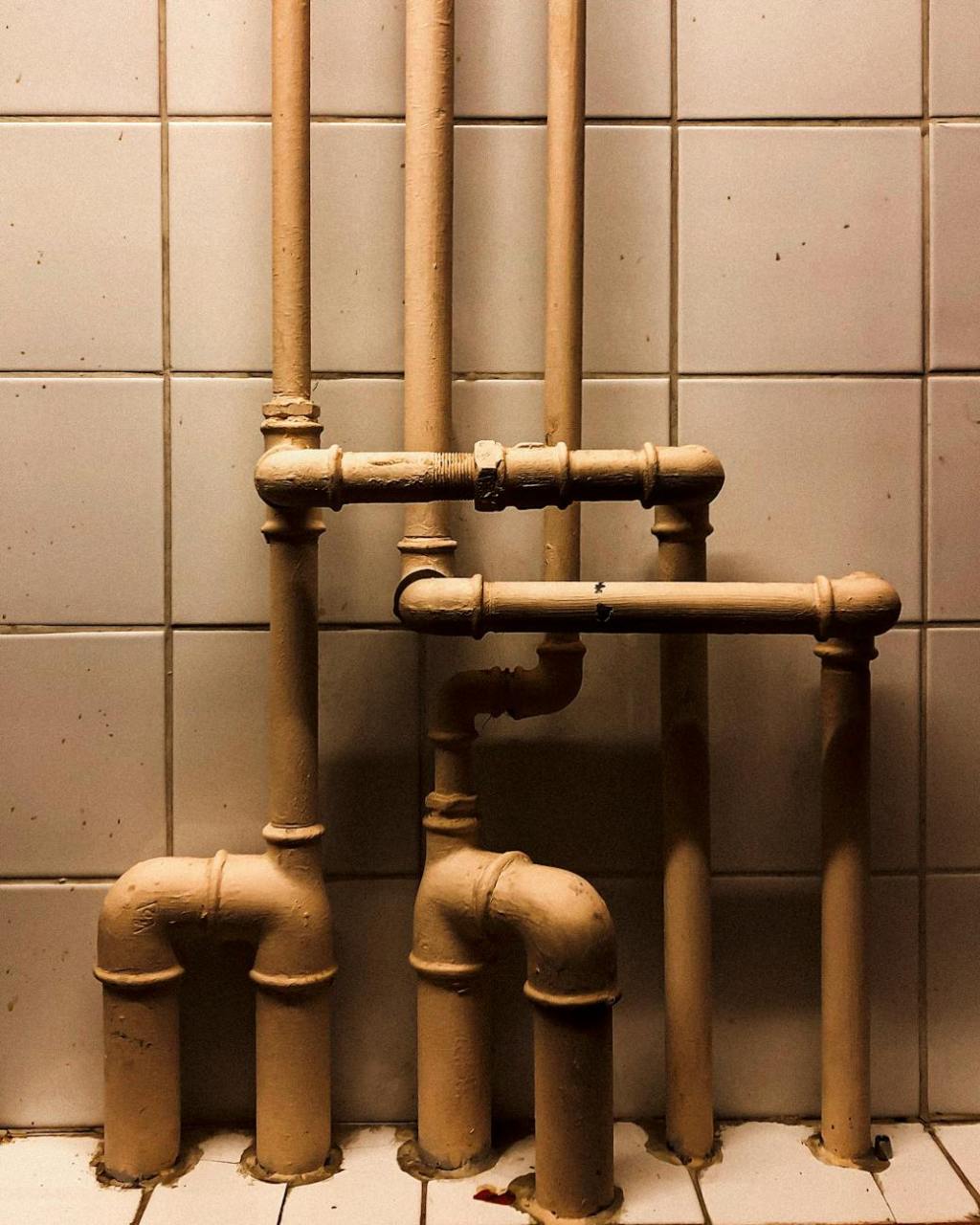
Every time you turn on a faucet, a hidden infrastructure instantly delivers clean water and removes waste with precision. Behind the walls, ceilings, and floors is a coordinated network engineered to control pressure, direct flow, and protect health. It’s one of the most reliable mechanical systems in any building — yet most homeowners never see how it operates.
Understanding how a residential plumbing system works step by step does more than satisfy curiosity. It helps you diagnose problems faster, choose appliances wisely, and understand why small issues can escalate if ignored.
In this guide, you’ll learn:
- How water enters and moves through your home
- What the core plumbing subsystems do
- How water flows through a house plumbing system from entry to exit
- Why pressure, gravity, and air balance are essential
- What system failures actually mean
Let’s begin with a clear mental model.
Home Plumbing Explained Like You’re 5
Imagine your house is a managed water delivery and removal system — like a miniature city utility.
- Pipes = roads for water
Water travels through enclosed pathways designed for controlled movement. - Water pressure = the driving force
Pressure pushes water forward so it reaches every fixture instantly. - Drains = one-way exit routes
Wastewater is directed away and cannot reverse direction under normal conditions. - Vent pipes = air balance system
Air stabilizes pressure so water flows smoothly and safely.
In simple terms, plumbing performs two coordinated functions:
- Deliver clean water where needed
- Remove wastewater without contamination
That’s the simplest operational model of a home plumbing system.
What Are the Main Parts of a Home Plumbing System?
A modern residential system consists of three integrated subsystems. Each performs a distinct function, but none works independently.
1. Water Supply System (Pressurized Delivery)
This system brings potable water into the home and distributes it under controlled pressure.
Core components:
- Main supply line — Connects the home to a municipal system or private well
- Main shut-off valve — Allows immediate isolation of the entire system
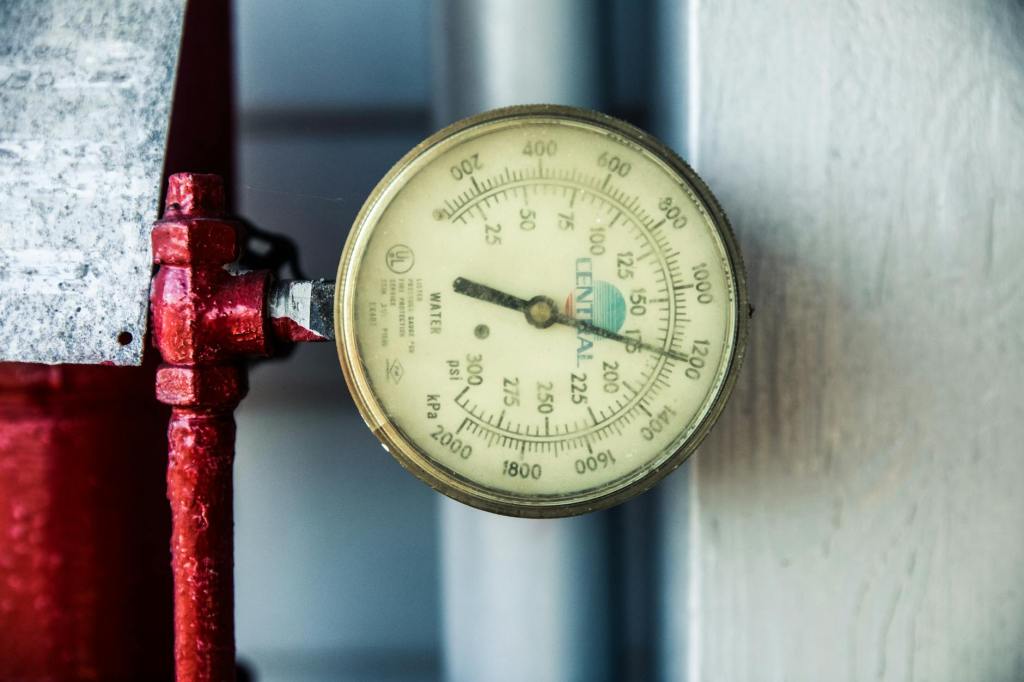
- Pressure regulator — Maintains safe operating pressure
- Water heater — Provides controlled hot water delivery
Supply lines are sealed and continuously pressurized. This is why leaks result in outward water flow rather than air entering the pipe.
2. Fixture Distribution Network (Point-of-Use Delivery)
Fixtures are endpoints where water is used. Each is engineered for specific flow rates and pressure requirements.
Common fixtures:
- Faucets and showers
- Toilets
- Dishwashers
- Washing machines
- Refrigerators with water lines
Each fixture connects to:
- A supply branch (incoming pressurized water)
- A drain connection (outgoing wastewater)
The design ensures clean and contaminated water never mix.
3. Drain-Waste-Vent (DWV) System (Gravity-Based Removal)
After water is used, it must be removed efficiently and hygienically. The DWV system performs this function.
Components:
- Drain pipes — Carry wastewater away using gravity
- Sewer or septic line — Final disposal pathway
- Vent pipes — Maintain atmospheric pressure inside drainage lines
Together, these explain what are the main parts of a home plumbing system and why coordinated design is critical.
How Water Moves Through Pipes
Water movement inside a home is governed by physical principles — not randomness.
Water Pressure Mechanics
Water flows from areas of higher pressure to lower pressure.
Two common supply sources:
Municipal systems
- Water towers create gravitational pressure
- Booster pumps maintain consistent distribution
- Typical residential pressure: 40–60 psi
Private well systems
- Electric pumps push water into pressure tanks
- Tanks stabilize pressure and prevent pump cycling
A pressure regulator protects the system by preventing excessive force. Excess pressure accelerates wear on pipes, valves, and appliances.
Pipe Materials and Flow Behavior
Pipe materials influence durability, flexibility, and thermal performance.
Common materials:
- Copper — durable and corrosion-resistant
- PEX — flexible, freeze-resistant, widely used in modern construction
- PVC — non-pressurized drain applications
- CPVC — heat-resistant for hot water distribution
Two different movement mechanisms operate simultaneously:
Pressurized flow (supply side)
Water is actively pushed through sealed pipes.
Gravity flow (drain side)
Water falls naturally through sloped pipes.
This dual-flow design ensures separation between clean water delivery and waste removal.
Why Plumbing Needs Vent Pipes
A key engineering principle explains why vents are essential: fluids cannot flow efficiently in a sealed system without air displacement.
Vent pipes:
- Introduce air into drain lines
- Prevent vacuum formation
- Stabilize internal pressure
- Stop sewer gases from entering living spaces
Without vents, draining water creates negative pressure that slows flow and disrupts traps. This is why plumbing needs vent pipes — not just for odor control, but for hydraulic stability.
How Water Flows Through a House Plumbing System
The complete journey of water follows a predictable sequence.
Step-by-Step Process
1. Entry at the main line
Water enters the home under external pressure from the municipal system or well pump.
2. Pressure stabilization
A regulator ensures safe operating pressure for internal pipes.
3. Distribution through branch lines
Supply pipes route water to fixtures based on demand.
4. Thermal conditioning
Cold water enters the heater when hot water is requested.
5. Wastewater discharge
Used water enters sloped drain lines.
6. Final removal
Wastewater exits through sewer or septic systems.
This sequence explains how water flows through a house plumbing system from supply to disposal.
(Recommended: place system diagram here.)
Everyday Plumbing in Action
Seeing the system in real scenarios clarifies how subsystems interact.
Shower Operation
Process:
Supply → mixing valve → showerhead → drain → sewer
Engineering principles:
- Pressure delivers water upward
- Mixing valve controls temperature
- Gravity removes wastewater
Toilet Flush Cycle
Process:
Tank discharge → siphon action → waste removal → automatic refill
Engineering principles:
- Stored water creates flushing force
- Trap design prevents gas entry
- Refill valve restores system balance
Dishwasher Operation
Process:
Pressurized supply → heating → spray circulation → filtration → drain → vent stabilization
Engineering principles:
- Controlled pressure ensures cleaning force
- Heating improves detergent efficiency
- Venting prevents drainage resistance
These examples demonstrate real-world system coordination.
What Happens When Something Goes Wrong
Most plumbing problems result from pressure imbalance, obstruction, or component failure.
Excessive Water Pressure
Causes:
- Regulator malfunction
- External supply fluctuations
System impact:
- Stress on pipe joints
- Accelerated seal wear
- Appliance damage
Potential outcomes:
- Leaks
- Burst pipes
- Reduced equipment lifespan
Drain Blockages
Causes:
- Grease accumulation
- Hair buildup
- Foreign objects
System impact:
- Reduced flow rate
- Backpressure formation
- Fixture backups
Potential outcomes:
- Water damage
- Sanitary risks
Blocked Vent System
Causes:
- Debris obstruction
- Ice formation
- Animal nesting
System impact:
- Slow drainage
- Pressure imbalance
- Sewer gas entry
Recognizing system behavior helps identify root causes rather than symptoms.
Plumbing Misconceptions That Cause Confusion
Myth: Water is pulled downward by suction
Reality: Gravity drives flow while vents stabilize pressure.
Myth: Larger pipes always improve performance
Reality: Oversizing reduces velocity and efficiency.
Myth: Plumbing layouts are standardized
Reality: Design varies by structure, climate, and building code.
Myth: Pressure and flow are identical
Reality: Pressure is force; flow is volume over time.
Myth: Vents exist only for odor control
Reality: They regulate hydraulic stability.
FAQ
How does water get to every tap in a house?
Water enters under pressure and travels through branch supply lines. Opening a faucet reduces local pressure, causing water to flow toward that outlet instantly.
Why are supply and drain pipes separate?
Supply lines operate under pressure and carry potable water. Drain lines rely on gravity and carry wastewater. Separation prevents contamination and maintains system efficiency.
What controls water pressure in a home?
Pressure is regulated by municipal supply levels, well pump systems, and a pressure regulator installed at the home’s entry point.
Can plumbing work without vent pipes?
No. Without air balance, drains slow dramatically, traps fail, and gases may enter living spaces.
What happens if household water pressure is too high?
Excess pressure strains pipes, valves, and appliances, increasing the risk of leaks and structural damage.
Key Takeaways
A residential plumbing system is a coordinated mechanical network built on physical principles.
- It delivers clean water and removes wastewater safely
- Pressurized supply and gravity drainage operate simultaneously
- Venting maintains pressure balance and flow stability
- Most failures result from imbalance, obstruction, or component wear
This is the operational foundation of how a residential plumbing system works step by step.
Continue Learning
To deepen your understanding of home systems:
👉 Learn how household water pressure systems function
👉 Read: Tank vs Tankless Water Heaters Explained
👉 Explore our beginner guide to HVAC systems
Understanding infrastructure isn’t just practical — it reveals the engineering that makes everyday comfort possible.

 Simply How
Leave a reply to How Do Home Water Filtration Systems Work? – Simply How Cancel reply